Kosher & Halal Baby Food Prep: Safe Kitchen Separation Guide
20th Nov•6 min read
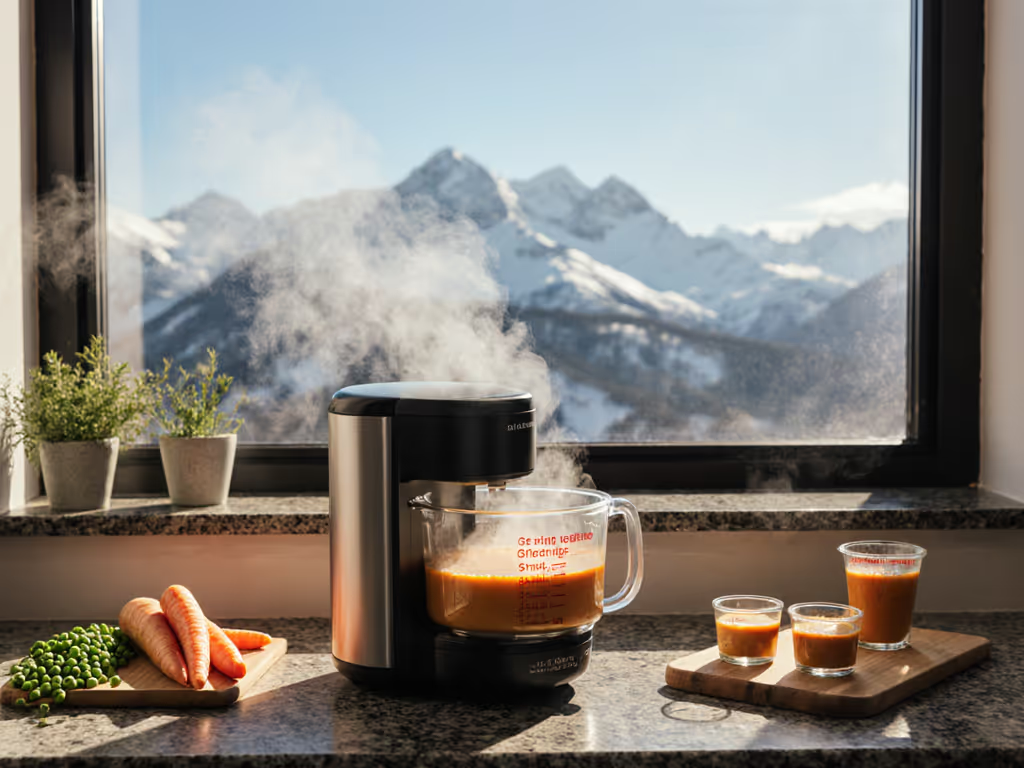
For caregivers raising little ones in mountain towns or high-desert communities, high-altitude baby food preparation requires quiet confidence, not kitchen chaos. When your water boils faster but foods cook slower, and thin air steals moisture from steamed carrots, mountain baby food making feels uniquely tricky. But here's what serendipity taught me: that same ginger-carrot puree I served at 8,000 feet became the base for a family soup later that night (proof that altitude adjustments can unite your whole kitchen). One effort, many plates. For ideas to use your baby food maker beyond purees, see our family meals guide. With these streamlined fixes, you'll nail textures and times without waking napping babies or doubting every step.
At 3,000+ feet, lower atmospheric pressure creates two quiet challenges for baby food:
This means veggies steam slower while losing moisture quicker (a double whammy for texture control). For stage-by-stage targets, check our texture progression guide. That sweet potato puree you'd normally get in 15 minutes at sea level might take 20+ minutes and turn gluey if unwatched. But don't panic: these tweaks transform frustration into foolproof results.
Problem: Fast evaporation creates thick, sticky purees that babies refuse.
Fix:
Example: At 7,500 ft, steam sweet potatoes 18 minutes (vs. 15 at sea level) with 140ml water. The extra steam time ensures tenderness while the added liquid prevents gummy texture.
Problem: At 5,000+ ft, double boilers can't reach temps needed to thicken oatmeal or cornstarch-thickened purees.
Fix:
Quiet-prep tip: Warm breast milk or formula after cooking (direct heat denatures nutrients). Blend warm liquid into cooled grains for silky texture.
Problem: Faster evaporation continues after cooking, drying out frozen purees.
Fix:
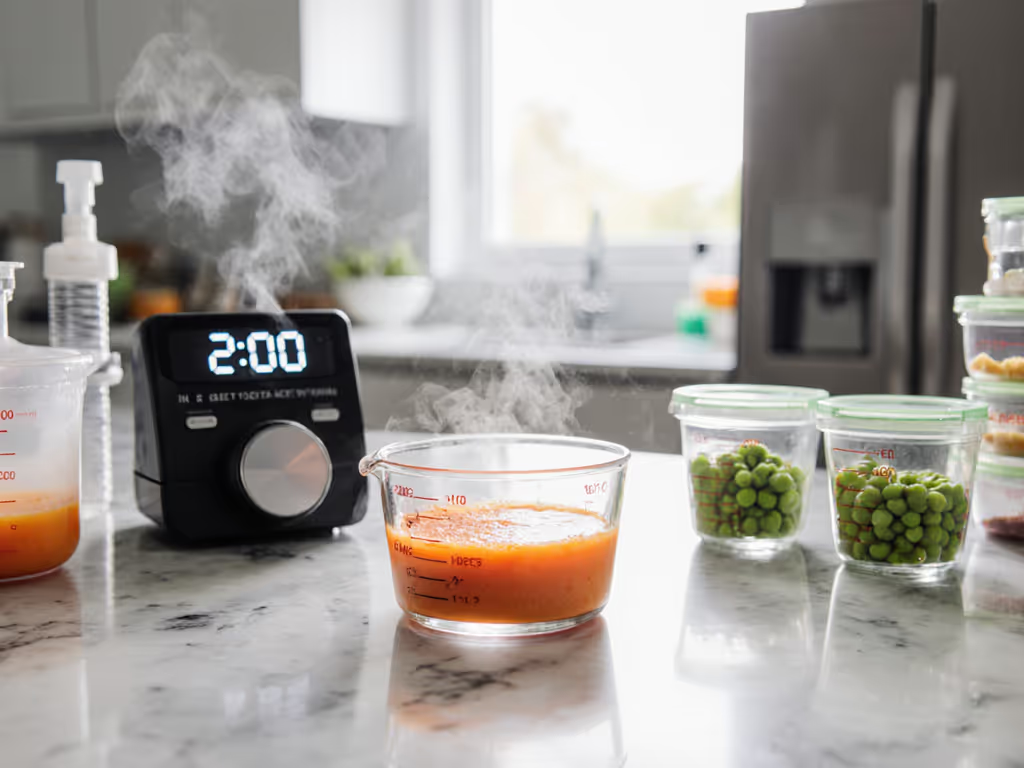
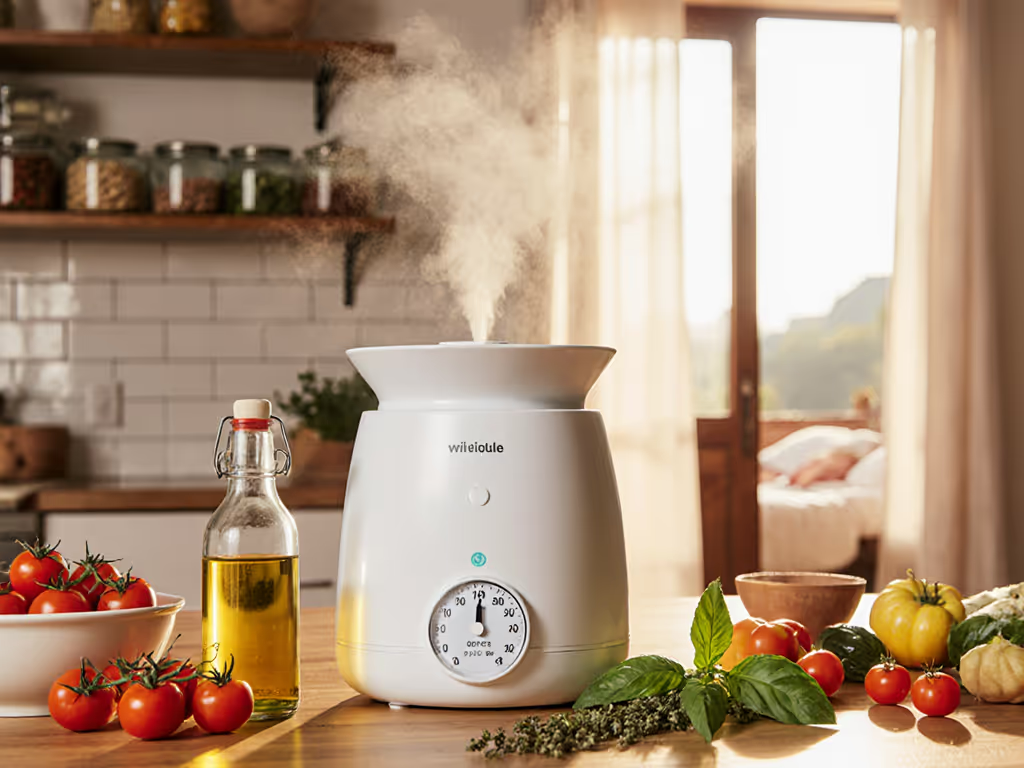
Problem: Steamers often shriek louder at altitude as water boils aggressively.
Fix:
Critical note: Never leave unattended (low-water cooking risks burning at altitude). Set a visible timer!
Problem: Over-steamed veggies = mushy purees, but perfect for family dishes.
Fix:
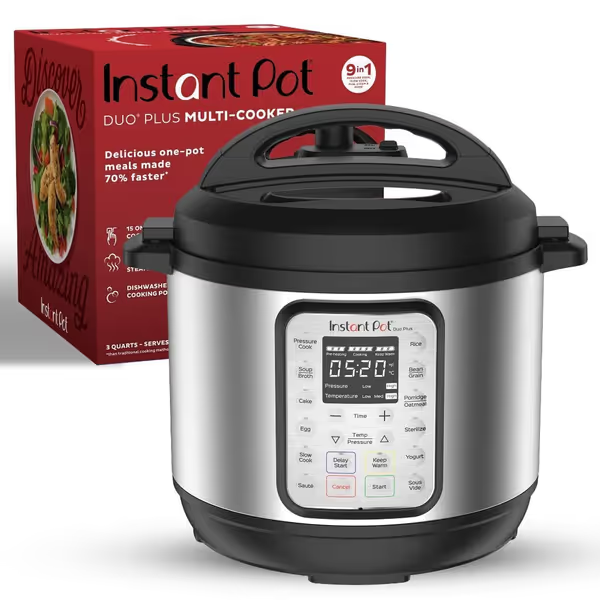
This is where the gear you already own earns its keep. While a basic blender suffices for stage 1, seek tools that handle hummus or pesto later, like multicookers with quiet steam settings. Not sure which tool fits your family? See our handheld blender vs baby food maker to decide with confidence. (I've tested slow-cook functions on the Instant Pot Duo Plus for baby-friendly bone broths; the low hum won't rattle thin mountain cabin counters.)
The magic isn't in complicated science: it is in designing workflows that anticipate altitude's quirks. When your carrot puree seamlessly becomes soup, or over-thickened oats turn into protein bars, you're not just making baby food. You're building a kitchen rhythm that:
Remember my ginger-carrot moment? That batch fed everyone because I'd steamed the carrots until fork-tender (not baby-soft), then reserved half for soup. The puree was smooth, the soup deeply flavorful (all from one pot). One effort, many plates isn't just a phrase; it's the antidote to mealtime burnout.
Stop adjusting recipes like you're defusing a bomb. Mountain air simply asks for slight generosity: more liquid, a few extra minutes, and forgiving tools. Test these tweaks with forgiving veggies first (sweet potato, pears), then get creative. Try roasting winter squash at 375°F for 40 minutes (vs. 35 minutes sea level) for caramelized depth in purees. You'll soon trust your instincts, and your kitchen will hum with calm.
Ready to dive deeper? Explore our free Mountain-Ready Puree Ratios guide, complete with batch-and-freeze maps scaled for 5,000-10,000 ft. It's everything you need to turn altitude quirks into your secret weapon for unified family meals.