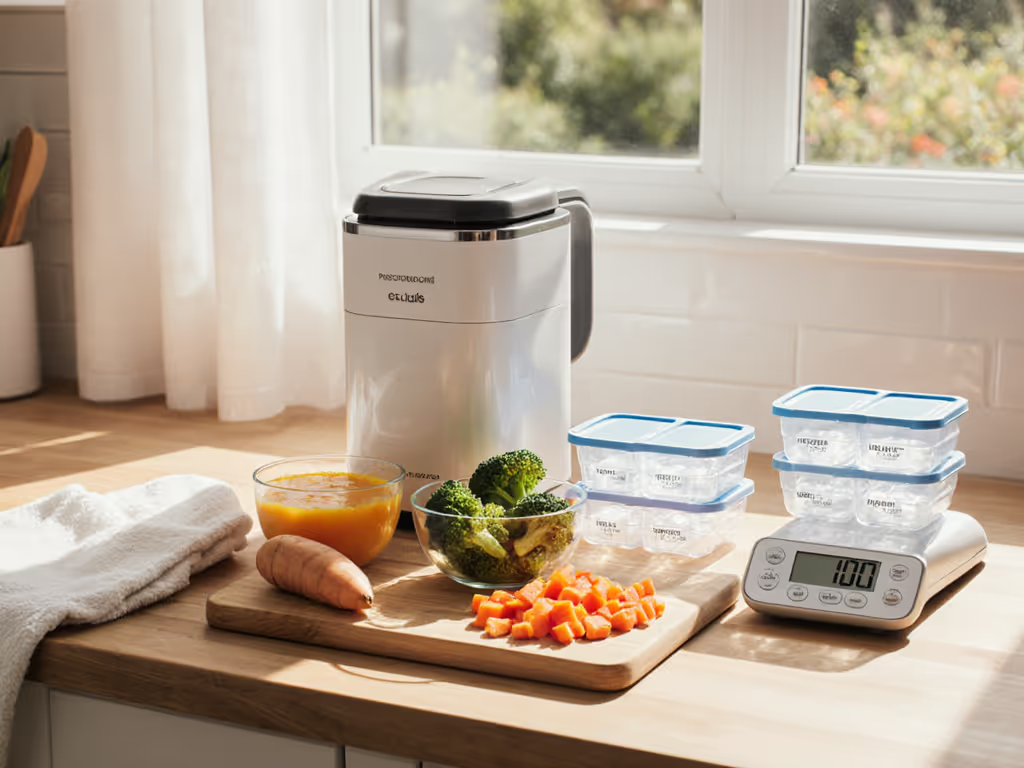
Pediatrician Recommended Baby Food Prep: Step-by-Step Guide
12th Nov•10 min read
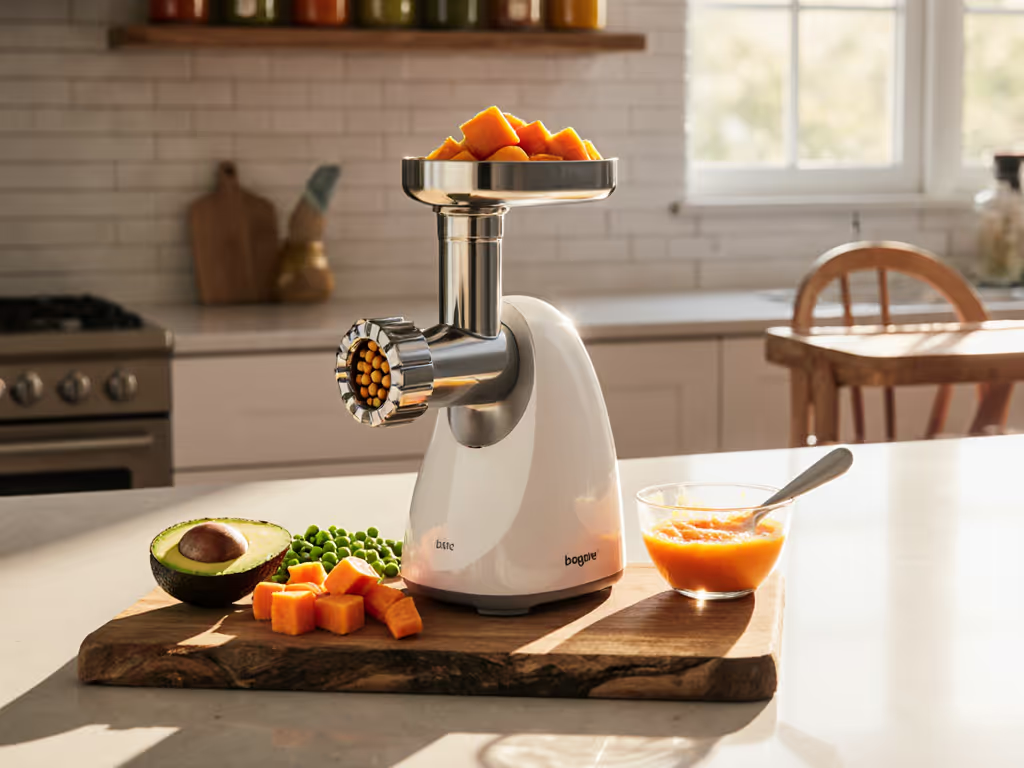
More than 60 percent of parents say they worry about what really goes into store-bought baby food. Choosing the right way to prepare meals for your baby can feel confusing when nutrition and safety are at stake. Learning how a baby food mill works puts you in control, giving your child fresher, purer meals made from ingredients you trust while saving money and supporting healthy growth.
| Point | Details |
|---|---|
| Purpose of Baby Food Mills | Designed to convert whole foods into smooth purees for infants, emphasizing texture control for better nutrition. |
| Types of Baby Food Mills | Available in manual and electronic options, catering to different parental needs and preferences. |
| Health and Safety Considerations | Constructed from food-grade materials, these mills require rigorous cleaning protocols to ensure infant safety. |
| Selecting the Best Mill | Evaluate based on material quality, cleaning ease, portability, and durability to meet specific infant feeding needs. |
A baby food mill is a compact, ingenious kitchen tool specifically designed to transform whole foods into smooth, nutritious purees perfect for infants and young children. Unlike standard food processors or blenders, these specialized devices offer precise control and texture management for delicate baby nutrition. The primary goal is simple: convert fresh, wholesome ingredients into easily digestible meals that support an infant's developmental nutritional needs.
Typically, a baby food mill consists of three essential components:
This design enables parents to quickly transform cooked or raw fruits, vegetables, and other soft foods into smooth, consistent purees. The manual operation allows for immediate texture customization based on the baby's age and eating capabilities. By manually crushing ingredients, parents can control the consistency more precisely than electrical appliances.
Baby food mills provide significant advantages for health-conscious caregivers:
While commercial baby food options exist, a food mill empowers parents to take direct control of their child's nutrition. It transforms meal preparation from a chore into an opportunity for personalized, nutritious feeding. The device bridges homemade cooking and infant dietary needs, making healthy eating both accessible and enjoyable.
Baby food mills come in several distinct variations, each designed to meet different parental needs and preferences. The primary categories range from manual hand-crank models to more advanced hybrid designs that combine manual and electronic functionality. Understanding these variations helps parents select the most appropriate tool for their specific infant feeding requirements.
Traditional manual baby food mills represent the most straightforward and time-tested approach to homemade baby food preparation. These devices typically feature:
Manual mills excel in providing precise texture control and require minimal cleanup. Parents appreciate their simplicity and ability to process small to medium quantities of food quickly without electricity. The hands-on approach allows for immediate consistency adjustments based on the baby's developmental stage.
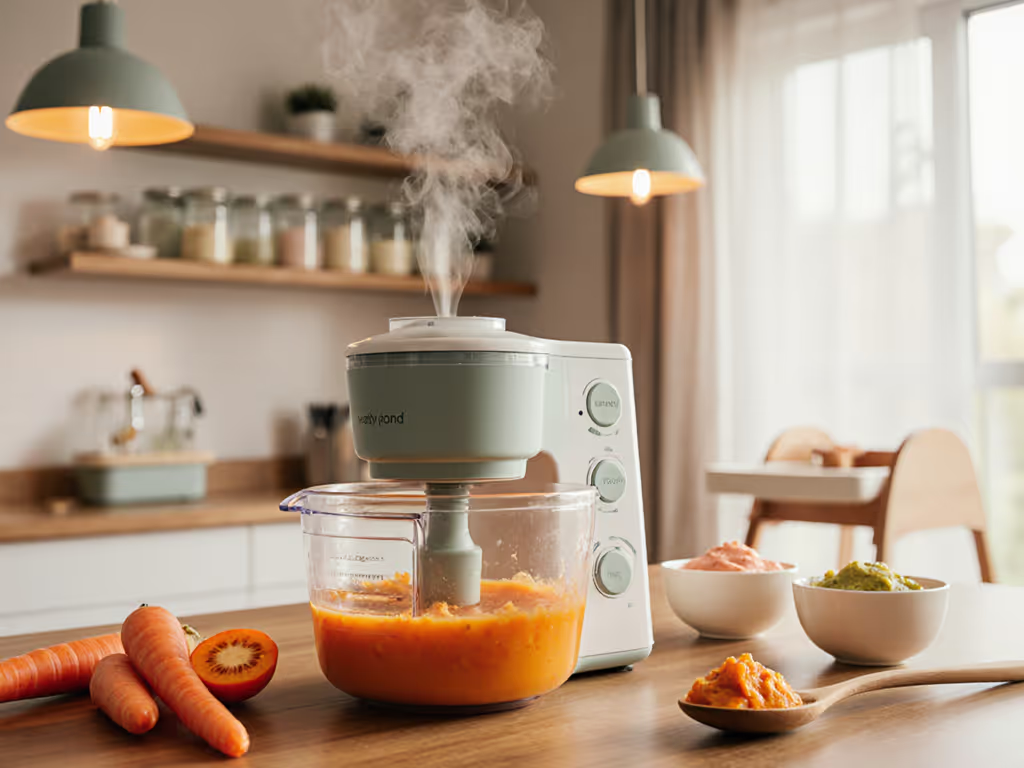
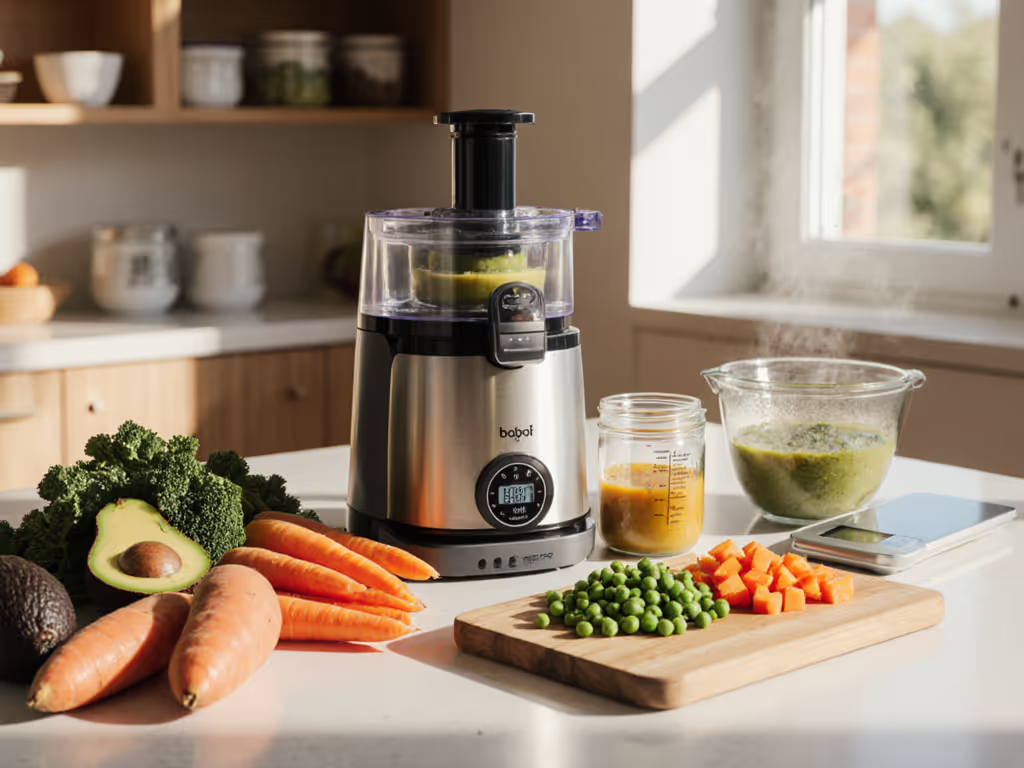
Modern baby food preparation has evolved to include more technologically advanced options. Electronic baby food mills and hybrid models offer additional features:
These advanced models significantly reduce preparation time and provide more consistent results. However, they come with higher price points and require electrical outlets or battery power. The trade-off between convenience and complexity means parents must carefully evaluate their specific needs before investing in these more sophisticated systems.
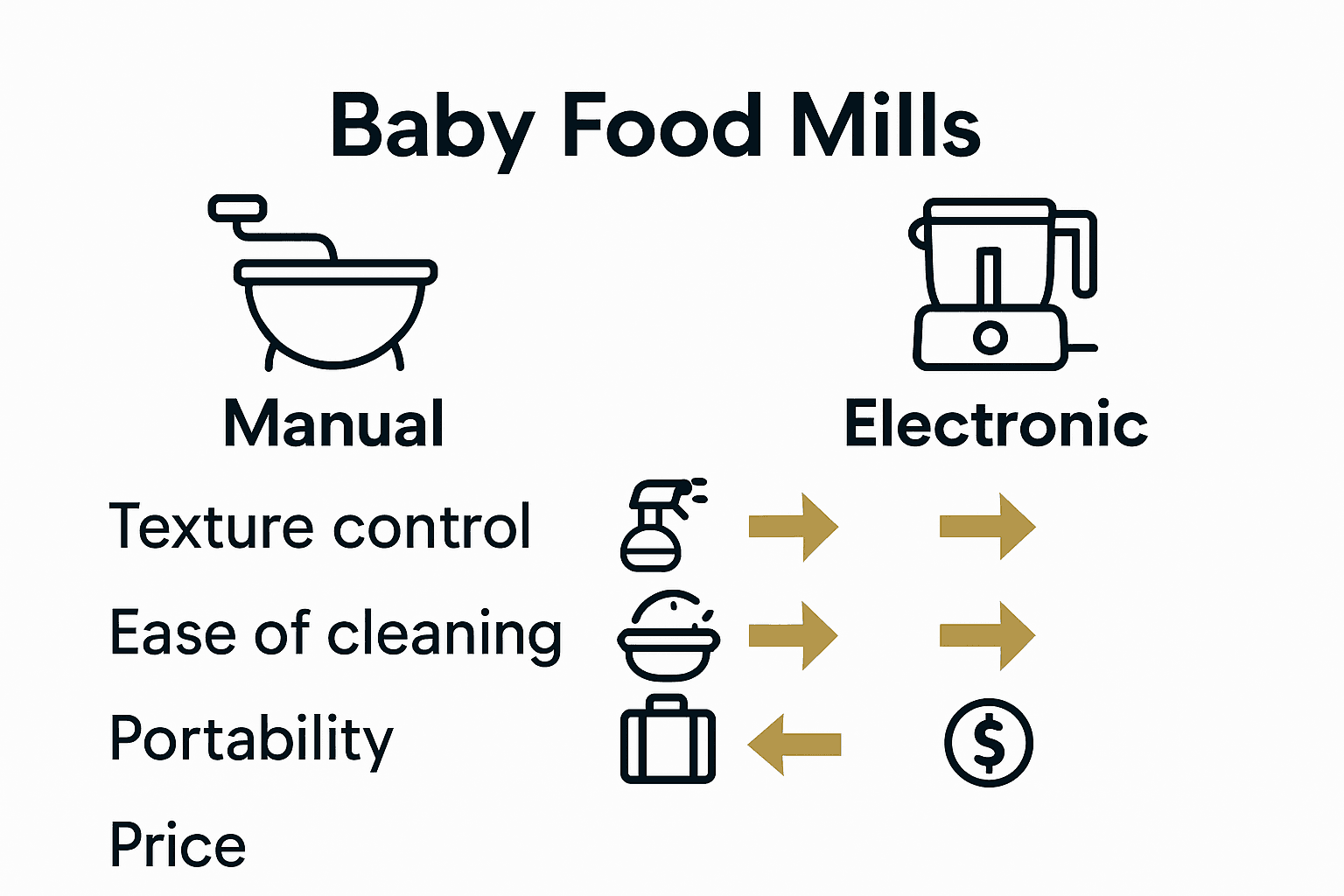
When selecting a baby food mill, parents should evaluate several key factors:
Ultimately, the best baby food mill depends on individual family dynamics, cooking habits, and infant nutritional needs. Whether choosing a simple manual mill or a high-tech electronic version, the goal remains consistent: creating fresh, nutritious, and perfectly textured meals for growing babies.
A baby food mill transforms the complex process of creating infant-friendly meals into a simple, intuitive experience. This ingenious kitchen tool breaks down whole foods into perfectly smooth purees while simultaneously removing unwanted components like seeds, skins, and tough fibers. Understanding its operational mechanism helps parents create nutritious, safe meals with minimal effort.
Successful baby food mill usage begins with careful ingredient preparation:
The key is selecting foods that are tender enough to pass easily through the mill's perforated plate. Steamed vegetables, boiled fruits, and cooked meats work best. Avoiding overly fibrous or stringy ingredients ensures smoother processing and more consistent results.
The actual food milling process follows a straightforward sequence:
The manual cranking mechanism allows precise control over food consistency. Parents can adjust pressure and rotation speed to create thinner purees for younger infants or chunkier textures for older babies developing more advanced eating skills.
After creating the perfect baby food puree, proper maintenance is crucial:
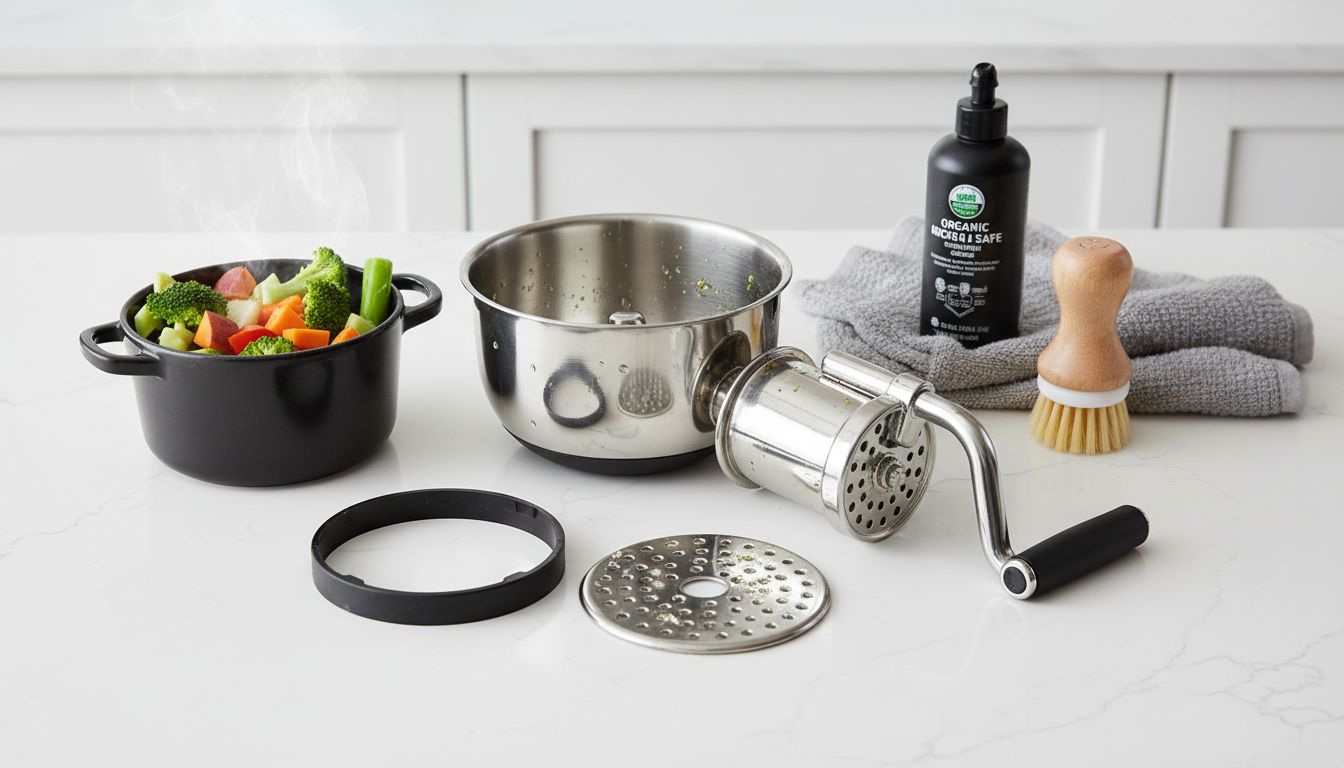
Modern baby food mills are designed for easy disassembly and cleaning, typically featuring dishwasher-safe components. This convenience ensures hygienic food preparation and prevents bacterial growth. By following a consistent cleaning routine, parents can maintain their baby food mill's performance and longevity, making homemade baby nutrition both safe and enjoyable.
Baby food mills are precision tools that demand meticulous attention to health and hygiene. The intimate nature of infant nutrition means that even minor contamination can pose significant health risks. Parents must approach baby food preparation with a comprehensive understanding of safety protocols, material considerations, and thorough cleaning techniques to ensure their child's well-being.
Selecting a baby food mill requires careful evaluation of material safety and potential health implications:
The choice of material directly impacts food safety. High-quality, non-porous materials prevent microscopic food particle retention and reduce the risk of bacterial growth. Parents should prioritize mills constructed from materials explicitly designed for infant food preparation.
Proper cleaning represents the most critical aspect of baby food mill maintenance:
Frequent, thorough cleaning prevents bacterial contamination and preserves the mill's functionality. Parents should establish a consistent cleaning routine that becomes second nature, treating each component with the same care they would a baby bottle or pacifier.
Beyond basic cleaning, advanced hygiene practices can further safeguard infant health:
Parents must recognize that a baby food mill is more than a kitchen tool—it's a critical instrument in their child's nutritional journey. Consistent, vigilant maintenance transforms the device from a simple appliance into a trusted ally in providing safe, nutritious homemade meals. The extra moments spent ensuring cleanliness represent an investment in their baby's health and development.
Choosing the right tool for preparing infant meals involves understanding the unique advantages and limitations of various kitchen devices. Baby food mills stand apart from traditional food preparation tools, offering specialized features that make them distinctly superior for infant nutrition preparation. While blenders, food processors, and other kitchen appliances serve general cooking needs, baby food mills are meticulously designed with infant dietary requirements in mind.
Key differences between baby food mills and standard kitchen appliances include:
Blenders and food processors typically generate significant noise, use substantial electrical power, and lack the nuanced control essential for creating age-appropriate infant meals. Their high-speed blades often create inconsistent textures and struggle to effectively remove seeds and tough skin components.
Baby food mills offer several critical advantages over alternative devices:
Unlike electric food processors that require multiple attachments and complex cleaning procedures, baby food mills simplify the entire food preparation process. Their streamlined design transforms meal preparation from a potentially stressful task into an intuitive, enjoyable experience.
While baby food mills excel in many areas, understanding their limitations is equally important:
Parents should view baby food mills as specialized tools within their broader infant feeding strategy. The device's focused design makes it an invaluable asset during early nutritional stages, offering unmatched precision and control that generic kitchen appliances simply cannot provide. By understanding these nuanced differences, caregivers can make informed decisions that prioritize their infant's nutritional needs.
Baby food mills represent precision instruments in infant nutrition, where even minor errors can significantly impact meal preparation. Selecting the right device and avoiding common pitfalls requires careful consideration, technical understanding, and practical insights. Parents must approach baby food mill selection as a strategic decision that balances functionality, safety, and long-term usability.
Common errors in baby food mill usage can compromise infant nutrition and device performance:
These mistakes often stem from inexperience or overlooking crucial details. Each error can introduce potential health risks or reduce the mill's effectiveness in creating safe, nutritious infant meals. Recognizing and proactively addressing these common pitfalls is essential for responsible infant feeding.
Parents should evaluate baby food mills using a comprehensive selection criteria:
The ideal baby food mill transcends mere food processing, becoming a reliable companion in an infant's nutritional journey. Parents should prioritize devices that offer intuitive design, robust construction, and straightforward maintenance.
Beyond technical specifications, successful mill selection involves nuanced considerations:
Ultimately, choosing a baby food mill is a personal decision that reflects individual family dynamics. What works perfectly for one household might prove inadequate for another. By approaching the selection process with informed deliberation, parents can find a device that transforms meal preparation from a potential challenge into an enjoyable, nurturing experience.
The article highlights the challenges every parent faces when trying to prepare fresh, nutritious, and perfectly textured baby food at home. You want a device that offers easy cleaning, precise texture control, and safe, non-toxic materials to protect your child's health. Handling manual effort while maintaining convenience can be tough during busy days, especially when quiet operation is needed during nap times. Recognizing these specific needs is key to making the best choice for your baby’s nutrition and your peace of mind.
At Parent Kitchen Lab you will find in-depth reviews and expert guides to help you select baby food makers that match the qualities described in the article. Whether you want a manual mill or an electronic model with advanced features, our trusted insights cover aspects like noise levels, one-handed use, and durability. Don't leave your baby's meals to chance—discover the right appliance that fits your lifestyle now. Visit Parent Kitchen Lab to explore detailed comparisons and empower your baby’s healthy eating journey today.
A baby food mill is a specialized kitchen tool designed to transform whole foods into smooth purees suitable for infants. It allows parents to create nutritious meals while providing precise control over texture and consistency.
A manual baby food mill operates using a hand-crank mechanism for processing food, allowing for immediate texture adjustment. In contrast, electronic mills offer features like steaming and multiple processing modes, making them more convenient but less hands-on, and typically more expensive.
Using a baby food mill allows parents to select fresh ingredients, ensuring no preservatives are included. It is cost-effective, preserves more nutrients than commercial alternatives, and enables customized textures that suit the infant's developmental needs.
Disassemble the baby food mill immediately after use, rinse all components with warm water, and clean them with mild dish soap. Thoroughly scrub each part to prevent bacterial contamination and ensure proper hygiene. Regularly inspect for wear and replace any worn components as needed.