Pediatrician Recommended Baby Food Prep: Step-by-Step Guide
12th Nov•10 min read
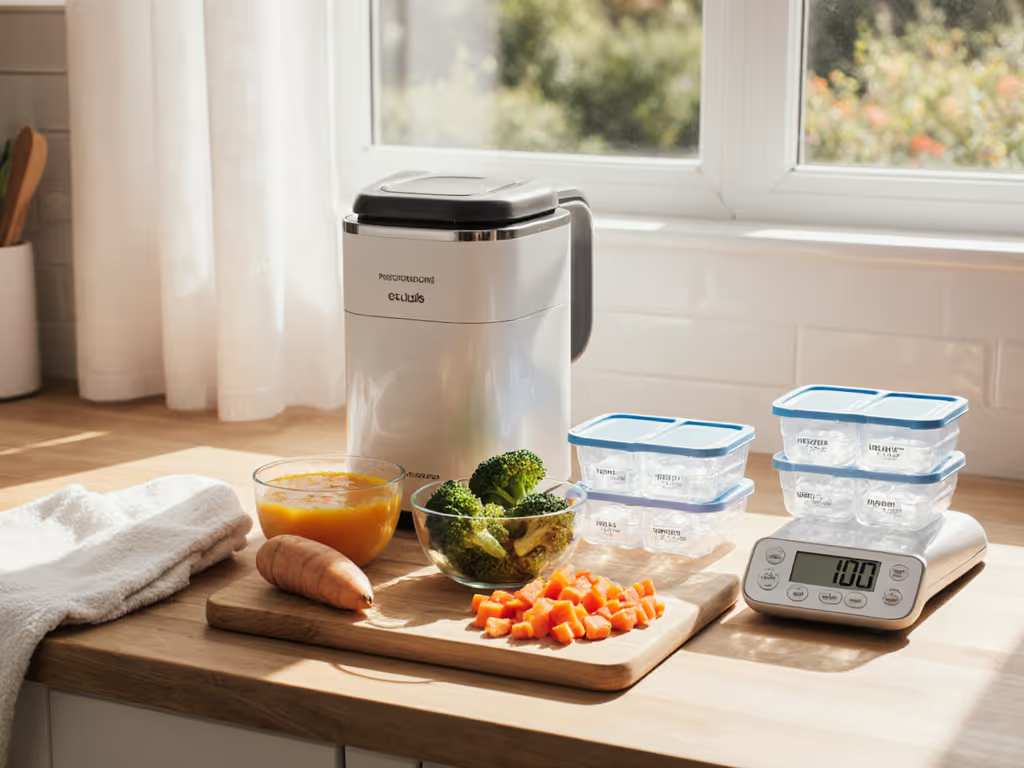
Did you know that preparing homemade baby food in advance can reduce daily kitchen stress by over 60 percent for busy parents? Modern families face tight schedules and rising food costs, making quick, nutritious meals more important than ever. Batch baby food prep offers a simple way to save time, take control of ingredients, and ensure your baby receives wholesome meals—even on your busiest days.
| Point | Details |
|---|---|
| Efficient Meal Prep | Batch cooking allows parents to prepare multiple baby meals in a single session, saving time and reducing daily cooking stress. |
| Nutritional Control | Control over ingredients enables customization to meet your baby's specific dietary needs, fostering optimal growth. |
| Cost Efficiency | Making baby food at home reduces reliance on expensive commercial options, significantly lowering overall food expenses. |
| Food Safety Practices | Proper storage and safety protocols are essential to ensure the nutritional quality and safety of batch-prepared meals. |
Batch baby food preparation is a strategic approach to creating multiple meals for your infant in one dedicated cooking session. Think of it as your personal baby food production line - preparing nutritious, homemade meals efficiently and saving precious time during busy parenting moments.
Batch cooking involves preparing large quantities of baby food in advance, carefully portioning and storing meals that can be quickly heated and served later. This method offers parents significant advantages: nutritional control, reduced daily cooking stress, and the ability to create diverse, wholesome meals tailored precisely to your baby's developmental stage and dietary needs.
The core principles of batch baby food preparation center on safety, nutrition, and convenience. By cooking larger quantities during designated preparation times, parents can ensure each meal meets strict nutritional standards while minimizing daily kitchen workload. Proper storage techniques like freezing or refrigeration become critical, allowing parents to preserve meal quality and prevent potential bacterial contamination.
Successful batch preparation requires understanding age appropriate food textures, nutritional requirements, and safe storage protocols. Whether you're a first-time parent or experienced caregiver, mastering this technique transforms meal preparation from a daily challenge into a streamlined, efficient process that supports your baby's healthy growth and development.
Batch baby food preparation transforms the often overwhelming task of infant nutrition into a strategic, efficient process that offers remarkable advantages for modern parents. By dedicating a few focused hours to meal preparation, you can create a comprehensive nutritional strategy that supports your baby's growth while simplifying your daily routine.
The primary benefits of batch preparation extend far beyond simple convenience. Cost savings become immediately apparent as parents reduce reliance on expensive commercial baby foods. By purchasing ingredients in bulk and preparing meals at home, families can significantly cut monthly food expenses while maintaining complete control over nutritional quality and ingredient selection.
Key advantages of batch baby food preparation include:
Nutritional consistency emerges as another critical benefit. Homemade batch preparations allow parents to create balanced, wholesome meals tailored exactly to their infant's developmental stage. Unlike mass-produced commercial options, batch-prepared foods can be precisely crafted to introduce new textures, flavors, and nutrients progressively as your baby grows. This approach ensures a thoughtful, deliberate approach to early childhood nutrition that supports optimal growth and healthy eating habits.

Moreover, batch preparation provides unprecedented flexibility for busy parents. By dedicating a few hours each week to meal preparation, you create a strategic food reserve that adapts to unpredictable parenting schedules. Whether facing unexpected work commitments or simply needing a moment of respite, a well-stocked freezer of nutritious, pre-prepared baby meals becomes an invaluable parenting resource.
Batch baby food preparation requires a systematic approach that transforms raw ingredients into safe, nutritious meals for your infant. The process begins with meticulous planning, selecting fresh, high-quality ingredients that will form the foundation of your baby's nutritional intake.
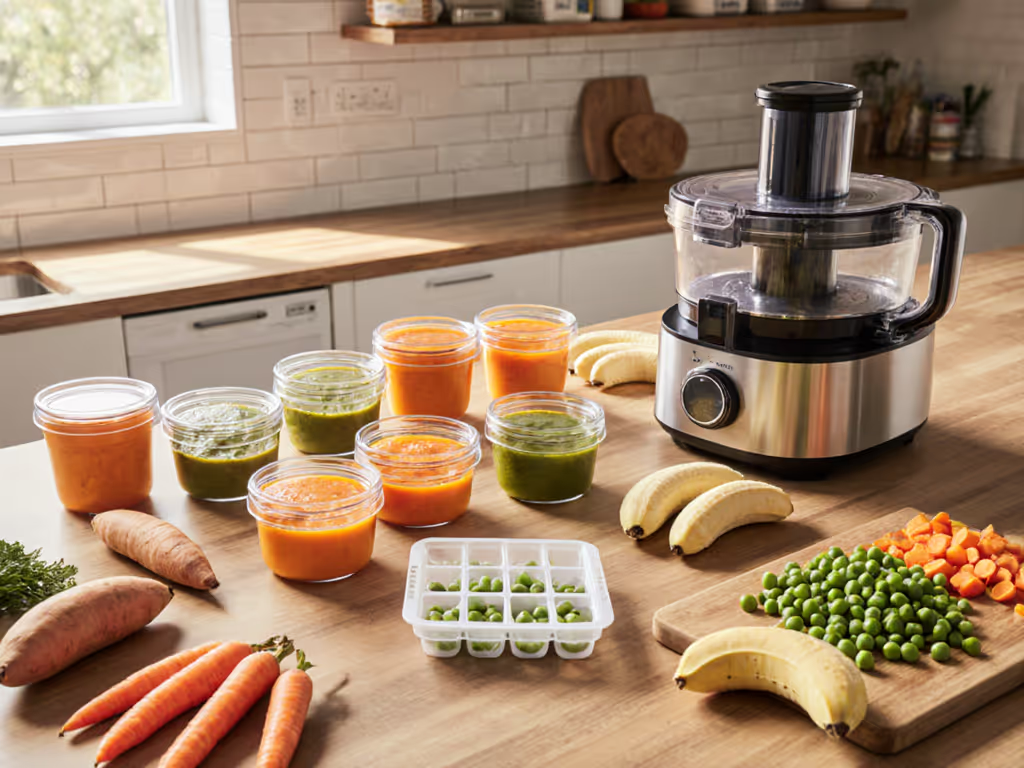
Start by gathering essential equipment: a reliable food processor or blender, sterilized storage containers, cutting boards, and appropriate cooking tools. Ingredient selection is crucial - choose organic, seasonal produce when possible, focusing on nutrient-dense options that support your baby's developmental needs.
Key preparation steps include:
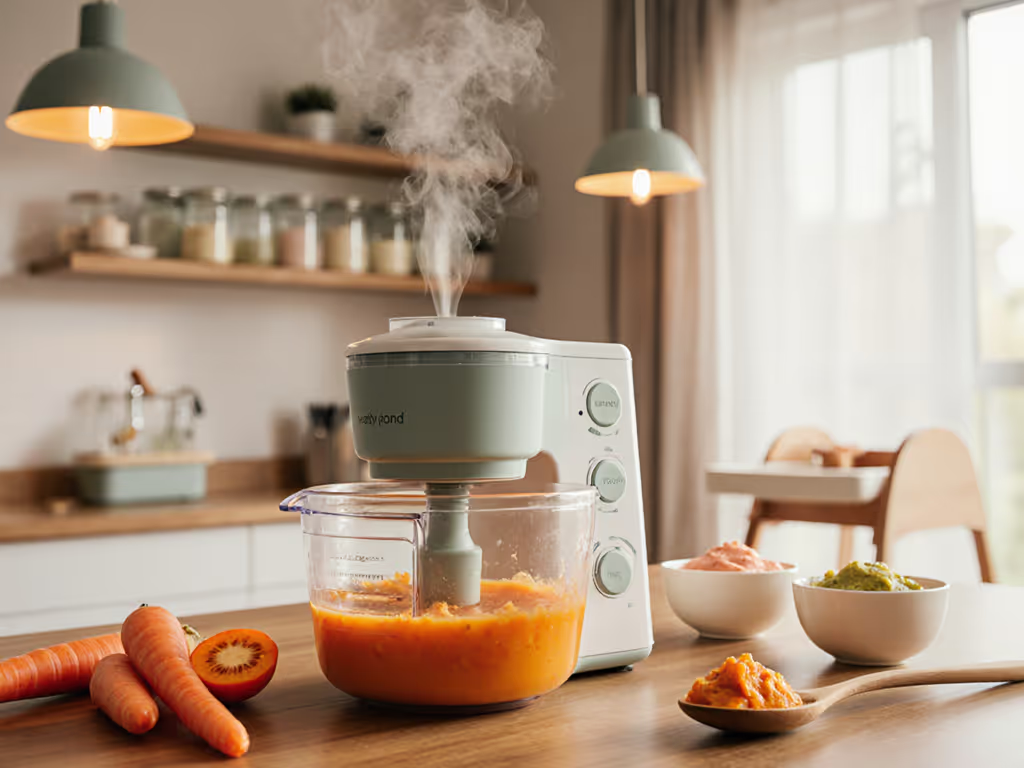
The thermal processing stage is critical for food safety. Carefully cook ingredients to eliminate potential harmful bacteria while preserving essential nutrients. Different foods require unique preparation methods - soft vegetables like carrots and sweet potatoes might steam perfectly, while harder vegetables may need slightly longer cooking times. Aim for a smooth, consistent texture that matches your baby's current eating capabilities.
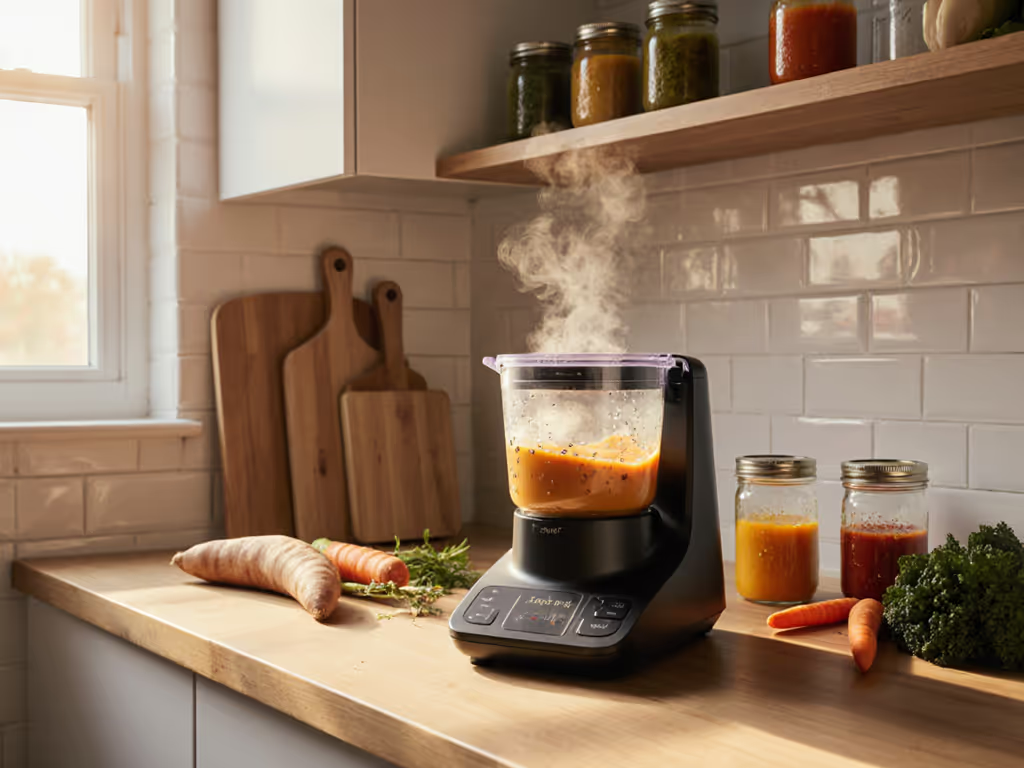
Storage becomes the final critical component of batch preparation. Portion control matters immensely - use small, clearly labeled containers that can be easily defrosted and served. Invest in high-quality freezer-safe containers with tight-sealing lids to prevent freezer burn and maintain food quality. Most batch-prepared baby foods remain safe for 1-3 months when stored at proper freezer temperatures, providing a convenient solution for busy parents seeking nutritious, homemade meal options.
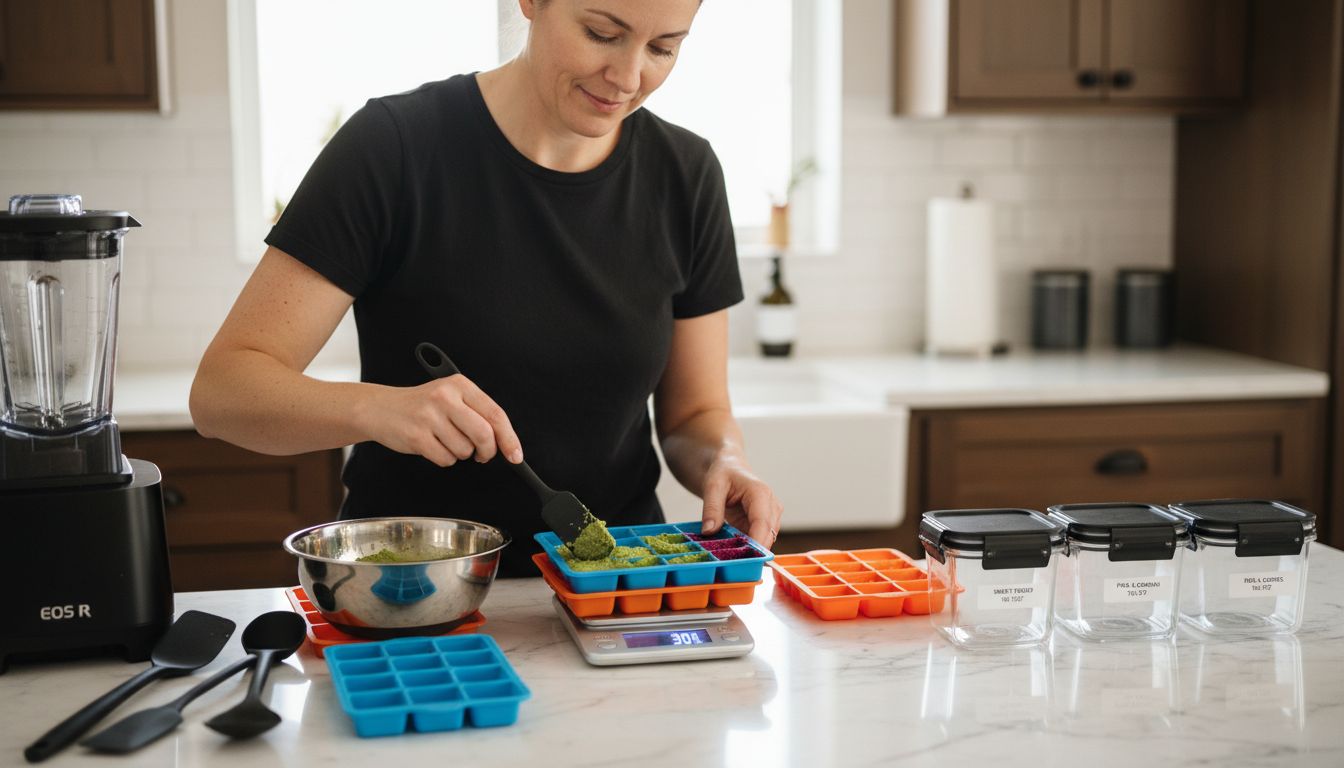
Batch baby food preparation requires a strategic collection of specialized tools designed to simplify the cooking process while ensuring optimal nutrition and safety. Investing in the right equipment transforms your kitchen into an efficient baby meal production center, making the entire process smoother and more enjoyable.
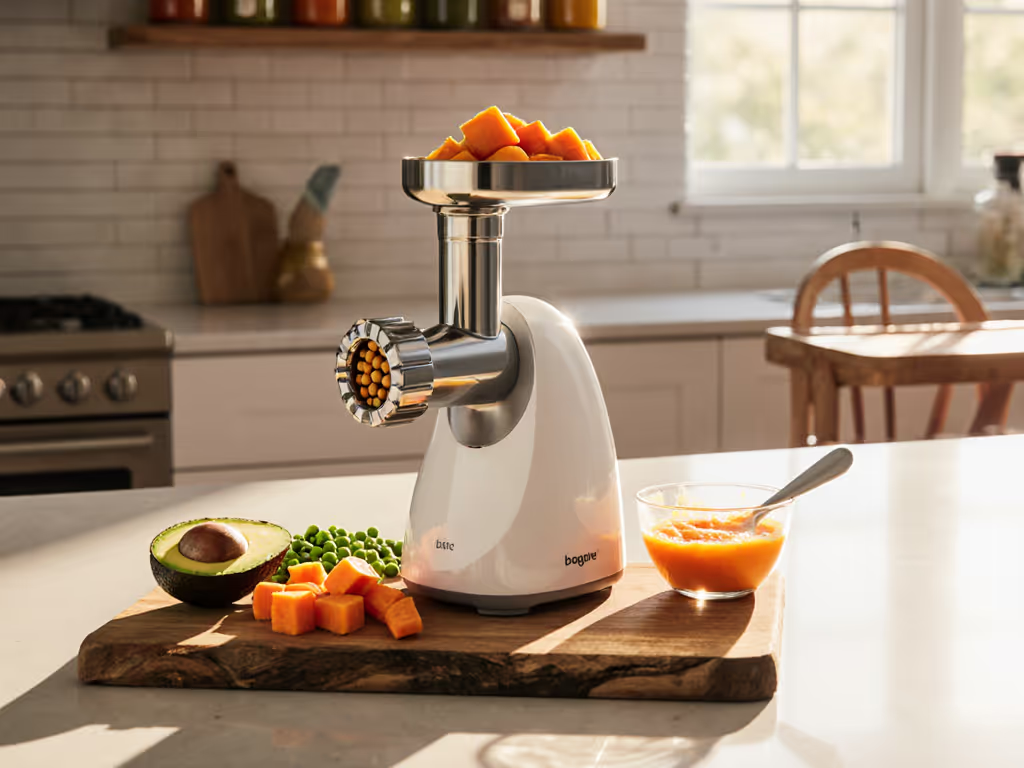
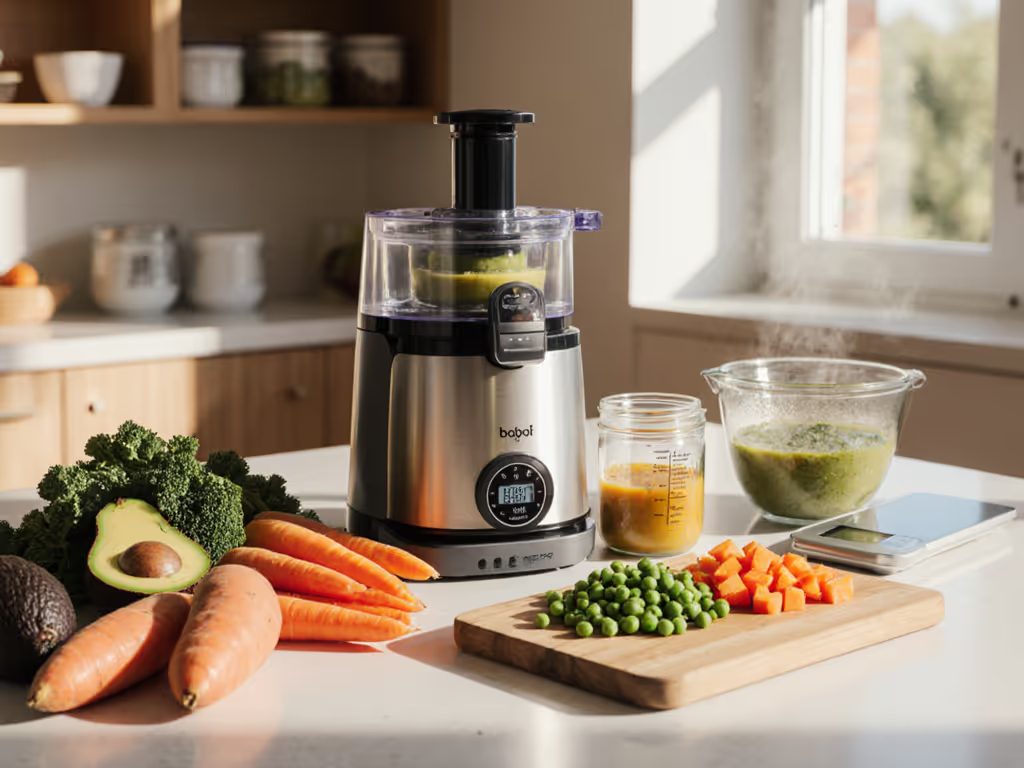
At the core of your baby food preparation arsenal, a high-performance blender or food processor stands as the most critical tool. Look for models with multiple speed settings, sharp blades capable of creating smooth purees, and easy-to-clean components. Additional essential equipment includes sturdy steaming baskets, which preserve more nutrients compared to boiling, and reliable measuring tools to ensure precise ingredient portioning.
Key tools for successful batch baby food preparation:
Storage solutions form another crucial component of your baby food preparation toolkit. Freezer-safe containers with tight-sealing lids are non-negotiable, allowing you to portion and preserve meals safely. Opt for BPA-free, microwave-safe options with clear labeling capabilities to track preparation dates and ingredient contents. Silicone freezer trays with individual compartments offer additional flexibility, enabling perfect single-serving portioning for quick, convenient meal preparation.
Safety and hygiene remain paramount in baby food preparation. Invest in quality kitchen tools that are easy to sanitize, preferably dishwasher-safe and made from food-grade materials. A dedicated set of cooking utensils exclusively for baby food preparation can help prevent cross-contamination and ensure the highest standards of infant nutrition.
Batch baby food preparation can quickly become overwhelming, especially for new parents navigating the complex world of infant nutrition. Understanding common pitfalls helps transform potential mistakes into opportunities for creating safe, nutritious meals that support your baby's growth and development.
One of the most critical errors parents make involves improper food storage. Temperature management is crucial - many inexperienced batch preparers fail to cool foods completely before freezing, which can create dangerous bacterial growth environments. Always ensure prepared foods cool to room temperature within two hours, then transfer to refrigerator or freezer-safe containers, leaving slight expansion space to prevent container cracking.
Key mistakes to avoid in baby food preparation:
Cross-contamination represents another significant risk in batch food preparation. Dedicated cutting boards, thoroughly cleaned utensils, and careful hand washing become non-negotiable practices. Parents should establish a systematic approach to food preparation, creating a clean workflow that minimizes potential bacterial introduction. This means washing produce thoroughly, using separate surfaces for raw and cooked ingredients, and maintaining scrupulous kitchen hygiene.
Consistency in texture and nutritional balance demands careful attention. Many parents make the mistake of preparing foods too thick or thin for their baby's developmental stage. Invest time in understanding age-appropriate food consistencies, gradually introducing more complex textures as your infant grows. Regular consultation with pediatric nutritionists can provide personalized guidance, ensuring your batch preparation meets your baby's specific dietary requirements while maintaining food safety standards.
Baby food preparation presents parents with two fundamental approaches: batch cooking and daily preparation. Understanding the nuanced differences between these methods can help caregivers make informed decisions that align with their lifestyle, time constraints, and nutritional goals for their infant.
Batch preparation offers a strategic advantage for busy parents, allowing them to create multiple meals in a single dedicated cooking session. This approach provides substantial time savings, consistent nutritional profiles, and reduced daily kitchen stress. Parents can prepare a week's or even month's worth of meals in a concentrated timeframe, then systematically freeze and rotate portions as needed.
Key comparison points between batch and daily preparation:
Daily food preparation, while more time-intensive, offers unique benefits that batch cooking cannot always replicate. This method allows for immediate ingredient selection, real-time texture modifications, and the ability to respond quickly to your baby's changing dietary preferences. Fresh preparation ensures maximum nutrient retention and provides opportunities for spontaneous culinary creativity that batch cooking might limit.
Ultimately, the most effective strategy often involves a hybrid approach. Many successful parents combine batch preparation for staple meals with occasional daily preparation for introducing new flavors or responding to specific dietary needs. This balanced method maximizes the benefits of both techniques, providing flexibility, efficiency, and nutritional diversity in infant feeding.
Here's a comparison of batch prep vs. daily baby food preparation methods:
| Factor | Batch Prep | Daily Preparation |
|---|---|---|
| Time Investment | High upfront<br>Low daily effort | Low upfront<br>High daily effort |
| Nutritional Control | Consistent planning<br>Easy customization | Immediate adjustments<br>Fresh modifications |
| Stress Level | Reduced weekly stress | Stress varies day-to-day |
| Ingredient Freshness | Good (if stored properly) | Maximum |
| Cost Efficiency | Lower overall<br>Bulk savings | Higher<br>Smaller purchases |
| Storage Needs | Freezer & Containers | Minimal<br>Day-by-day |
Batch baby food preparation saves time and stress by letting you prepare nutritious meals ahead for your baby. The challenge many parents face is finding quiet, efficient, and easy-to-clean appliances that fit this busy lifestyle. When daily time is limited and hygiene matters, having the right baby food maker can transform batch cooking from a daunting task into a smooth routine.
At Parent Kitchen Lab, we understand how important it is to safely create and store age-appropriate purees with minimal effort. Our expert reviews and detailed buying guides focus on features that align with your needs like silent operation during nap times and one-handed convenience to keep up with your busy schedule. Explore our insights and find the best baby food preparation solutions to simplify your batch cooking. Don’t wait until stress builds up—visit Parent Kitchen Lab now and discover how the right equipment keeps your baby nourished with less hassle and more confidence.
Batch baby food preparation is a method of creating multiple meals for your baby in one cooking session, allowing for efficient meal planning and savings in time and costs.
Essential tools include a high-performance blender or food processor, steaming basket, cutting boards, stainless steel mixing bowls, freezer-safe storage containers, and a digital kitchen scale for precise ingredient measurement.
To ensure safety, wash all cooking equipment thoroughly, cool foods completely before storing, use proper storage techniques, and avoid cross-contamination by using separate utensils for raw and cooked ingredients.
Batch preparation saves time, provides consistent nutritional profiles, and reduces daily cooking stress, whereas daily preparation allows for maximum ingredient freshness and real-time adjustments to your baby's dietary preferences.