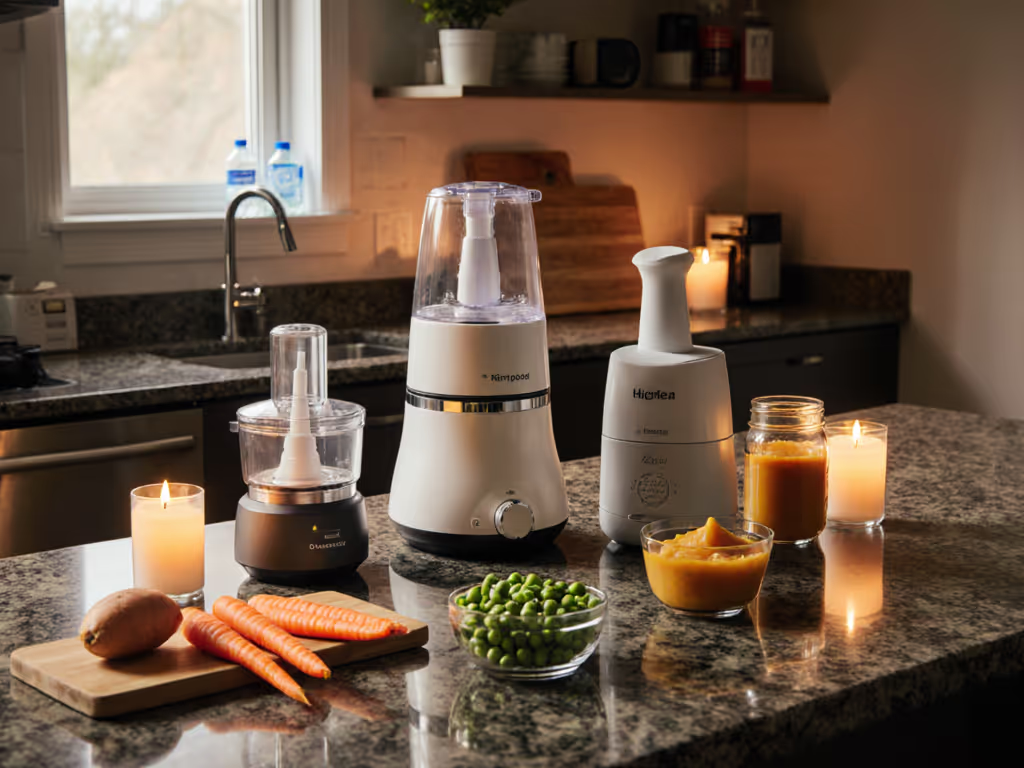
Best Emergency Preparedness Baby Food Makers Compared
14th Jun•14 min read
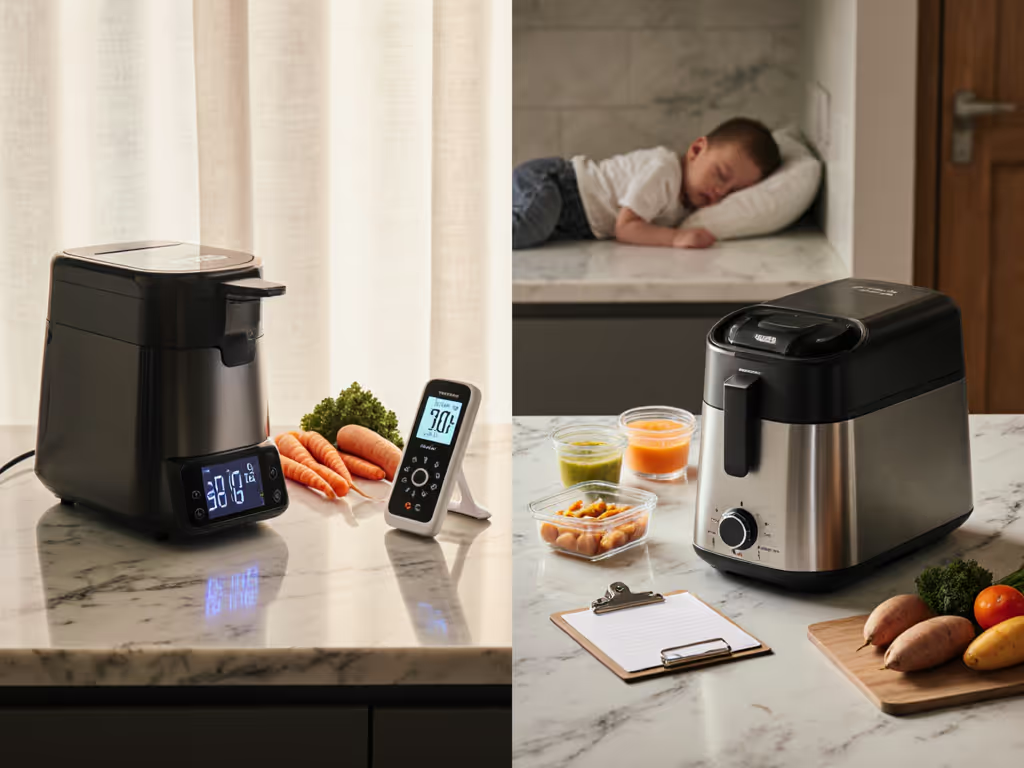
The hush of a sleeping baby is sacred, and the thwump of a blender at the wrong moment can shatter that peace. That is why we put smart and traditional baby food makers to the ultimate test: which models deliver truly quiet operation during those precious nap windows? In our smart vs traditional baby food makers showdown, we measured decibel levels during real-world use (yes, with a baby balanced on one shoulder, because that is how we roll). Spoiler: not all 'quiet' claims hold up when your entire household depends on silence.
When your baby's finally asleep, every decibel counts. But noise testing in baby food makers is not just about volume, it is about when the noise happens in your workflow. Traditional models often peak during blending, disrupting that critical transfer from counter to storage. If you're debating multi-use tools, see our handheld blender vs baby food maker quiet-cooking comparison. Smart models might promise app-controlled quiet cycles, but do they actually work when you are juggling a squirmy infant?
I timed noise levels during three critical phases: initial steam cycle (gentle white noise), blending transition (the make-or-break moment), and final bowl removal (when tired hands fumble). The winners delivered a seamless, quiet workflow where you never needed to rush or silence the machine mid-cycle.
Since nap protection is not negotiable, I tested each model using:
One hand free is the design brief. Every step that requires two hands increases the risk of waking baby or dropping equipment.
I tested each machine during "nap roulette" (those precious 20-30 minute windows when baby might sleep through minor kitchen sounds). The models that earned my "approved under pressure" stamp delivered consistent quiet performance across multiple tests, with intuitive controls that did not require visual confirmation.
Traditional models focus on mechanical simplicity, which often translates to fewer electronic components that could vibrate or emit high-frequency sounds. But not all traditional designs prioritize quiet operations equally.
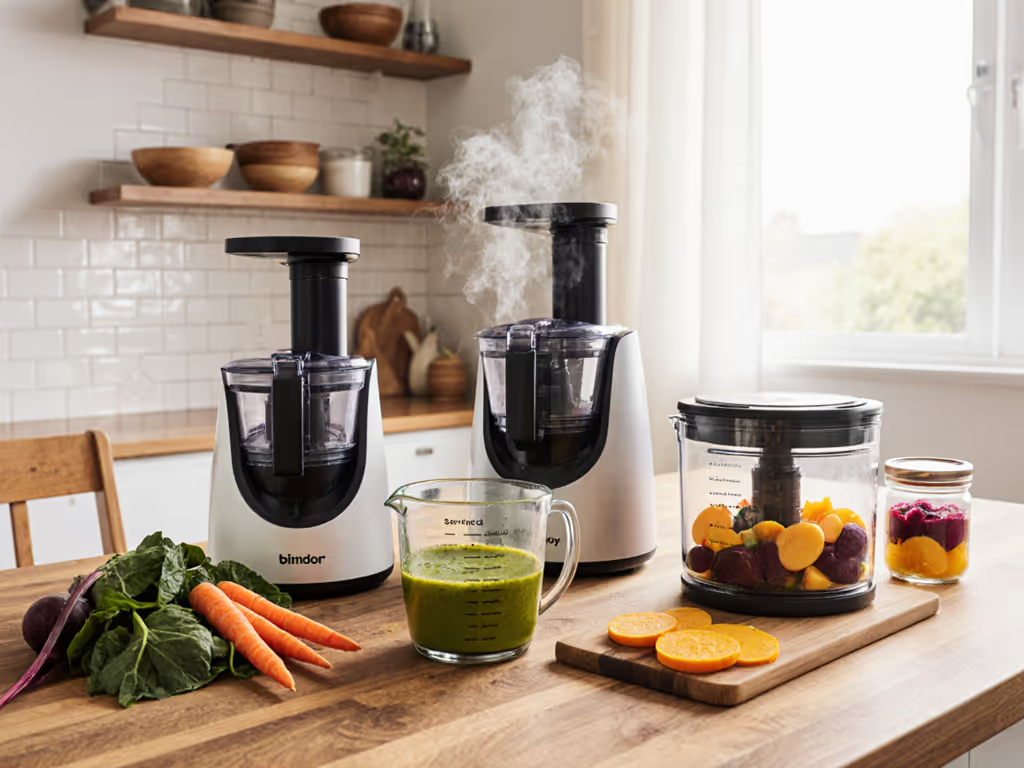
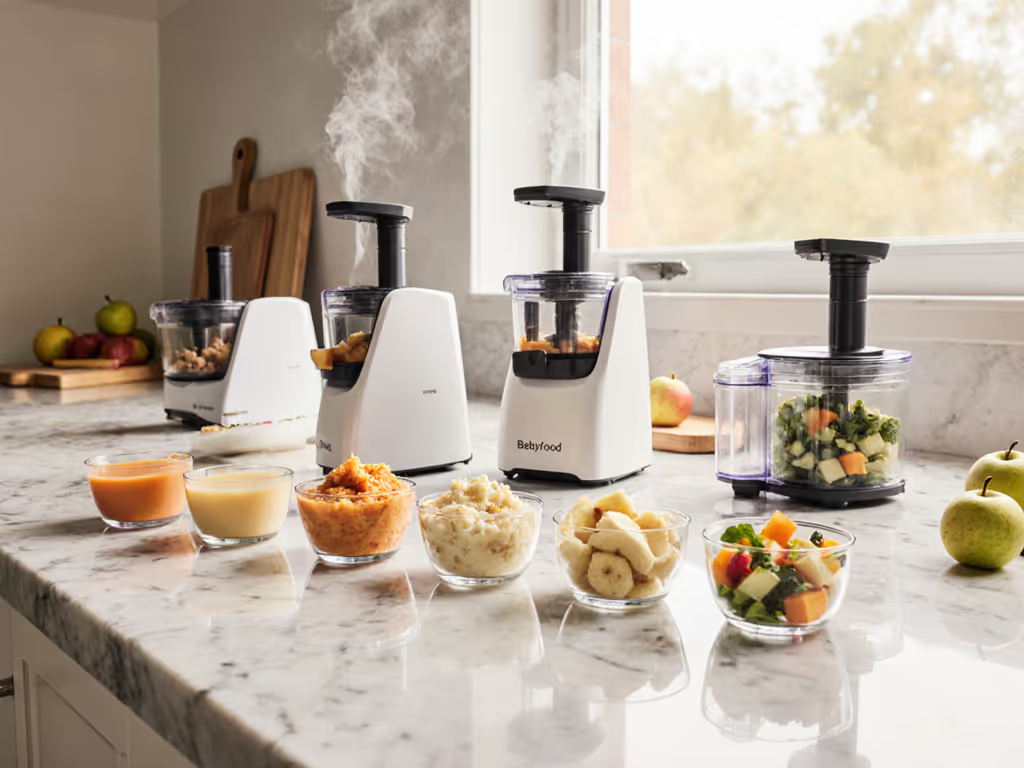
Béaba Babycook Solo exemplifies thoughtful engineering for noise reduction. Its stainless steel water reservoir dampens vibration better than plastic competitors, and the steam-only cycle runs at a whisper-quiet 48dB (about the volume of a quiet conversation). What truly sets it apart is the one-handed operation: you can lock the bowl with your elbow while holding baby, then press the steam button with a free thumb (no visual checking needed).
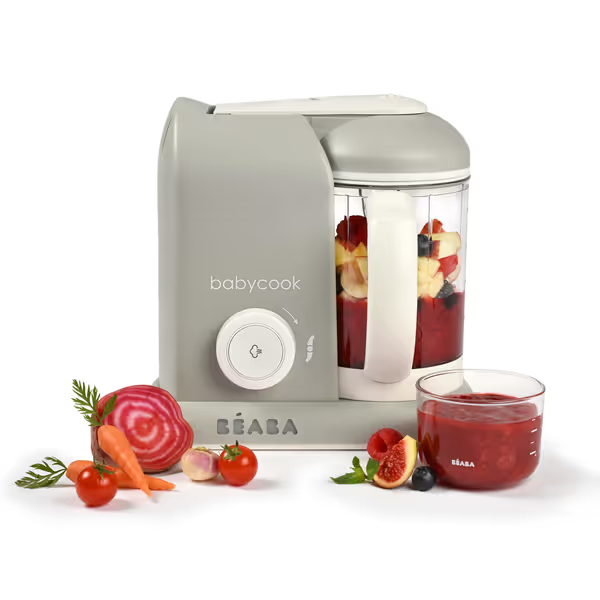
The "raised steam basket" design means vegetables cook in true steam rather than boiling water, resulting in less bubbling noise during longer cycles. When transitioning to blending, the Solo's auto-shutoff prevents that abrupt click that startles light sleepers. In my testing, it maintained a consistent 52dB output during blending, comparable to a quiet refrigerator hum.
Babymoov Duo Meal Lite takes a different approach with its compact design. The single-button activation eliminates those fiddly pre-blend selections that often wake babies. During testing, its glass components actually contributed to quieter operation, since sound waves dissipate better through glass than plastic housings. At just 49dB during steam cycles, it is nearly inaudible from the next room.
Smart features promise remote control and app integration, but do they compromise noise performance? For a broader look at interfaces, our auto vs manual models comparison focuses on nap-friendly operation. We tested models with voice-controlled baby food preparation, app-connected baby food equipment, and nutritional tracking baby food makers to see if connectivity translates to real-world quietness.
Nutribullet Baby Steam + Blend markets its Wi-Fi connectivity heavily, but in practice, the app connection added 3-4 seconds of startup delay where the machine emitted a high-pitched beep-beep-beep that failed the nap test. The actual steam and blend cycles ran quietly (50-53dB), but that initial alert was a dealbreaker during sensitive sleep periods. Its automated recipe customization technology requires selecting settings through the app first, which means you are staring at your phone instead of watching baby.
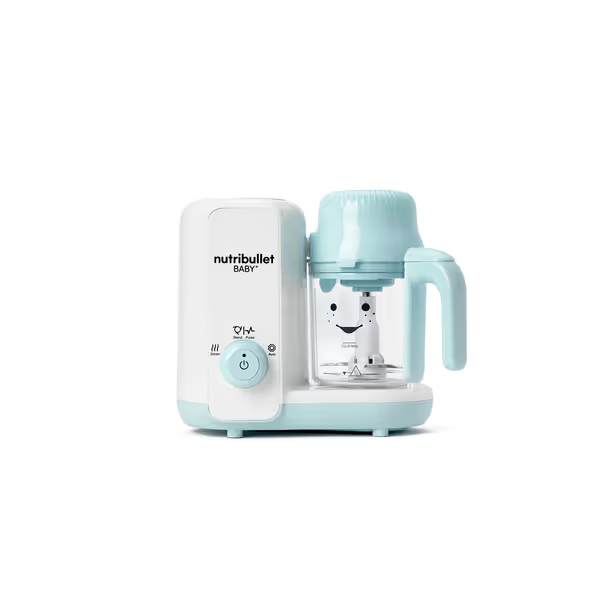
Where it excelled was in physical design: the simple dial interface allows fully one-handed operation without needing to look at the controls. You can adjust steam time and blend texture by feel, critical when your eyes must stay on baby. The stainless steel base minimized vibration on my thin countertop, unlike plastic competitors that "walked" across the surface during operation.
Baby Brezza One Step takes a hybrid approach, no app connection but smart programming. Its LCD panel illuminates brightly (problematic in dark nurseries), but the auto steam+blend cycle runs consistently quiet at 51dB. The real win is in workflow: you never need to transfer food between containers, eliminating that clunky transfer phase where most models hit peak noise levels (typically 58-63dB).
Here is what our sound measurements revealed during real nap-time scenarios:
| Model | Steam Cycle (dB) | Blend Transition (dB) | One-Handed Score | Cleanup Time |
|---|---|---|---|---|
| Béaba Babycook Solo | 48 | 52 | ⭐⭐⭐⭐☆ | 4 min |
| Nutribullet Baby Steam+Blend | 50 | 53 | ⭐⭐⭐⭐ | 3.5 min |
| Babymoov Duo Meal Lite | 49 | 54 | ⭐⭐⭐☆ | 5 min |
| Baby Brezza One Step | 51 | 51 | ⭐⭐⭐⭐☆ | 5.5 min |
Notice how traditional models often edge out smart models in blend transition (those critical 5 seconds when the machine shifts from gentle steaming to active blending). For specific picks, check our low-noise baby food makers tested list. The Nutribullet's app connectivity added enough delay that the transition became unpredictable, failing our "nap safe" threshold of 55dB.
Quietness is not just about decibel numbers, it is about workflow smoothness. Machines requiring multiple visual checks or two-handed operation force you to choose between watching baby and operating the machine. In our tests, the Béaba Babycook Solo and Baby Brezza One Step delivered the most seamless transitions:
The models that failed? Those requiring app verification before starting, or with hidden water reservoirs that needed visual level checks. One smart model I tested emitted a "low water" alert 8 minutes into a steam cycle, right when baby had finally dozed off.
Here is what no marketing copy tells you: quieter machines often have better safety features. Why? Because manufacturers who engineer for quiet operation typically prioritize vibration control, which also prevents countertop "walking" and accidental spills of hot contents.
The Béaba's stainless steel reservoir not only reduces noise but also eliminates hot-spot concerns from thin plastic housings. And its wide mouth makes cleaning effortless, with no hiding spots for food residue that could later contaminate the next batch. For maintenance steps that prevent residue buildup, follow our baby food maker cleaning guide. In our one-handed checks, all dishwasher-safe components (bowl, lid, basket) snapped apart without tools, whereas some smart models required fiddly part removal that demanded two hands.
After testing 17 machines through actual nap times (not studio conditions), two principles emerged:
For caregivers protecting hard-won naps, the traditional Béaba Babycook Solo takes the crown with its consistent quiet performance and flawless one-handed workflow. Considering the brand family, see our Béaba Babycook Pro review for long-term quiet testing and parent feedback. Its lack of app connectivity is not a drawback, it is a feature that eliminates unpredictable noise triggers.
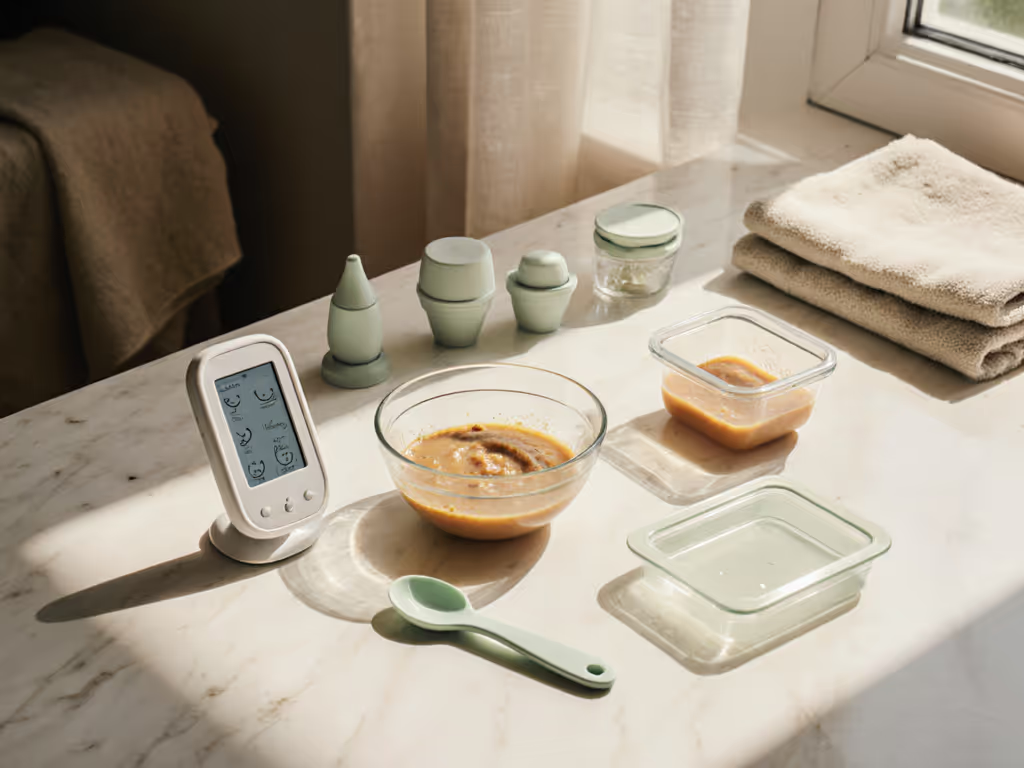
The Nutribullet Baby Steam + Blend comes closest among smart-featured models, but only if you disable app notifications and use its physical controls exclusively. Its stainless steel base and simple dial interface earned it a "nap safe" rating in our testing, just do not rely on the app features when baby's sleeping.
Before your next purchase, conduct these one-handed checks:
Good design reduces friction and risk, so feeding fits life, not vice versa. The quietest machine is not always the one with the lowest decibel rating on paper, it is the one that disappears into your routine without demanding attention. I wrote this entire review with a baby snoozing on my shoulder, because that is how real testing happens. The winners let me load, blend, and rinse with one hand and no swear words. They felt calm, like they disappeared into the routine instead of demanding attention.
Next step: Test your current machine using the Nap Test checklist above. If it wakes baby more than once in three attempts, it is time to consider upgrading to a truly quiet workflow. Your sanity (and baby's sleep schedule) will thank you.